
We help businesses accept payments online.
When it comes to selling online, your authorization rate shouldn’t be ignored. It can happen for several reasons, such as the bank declining a transaction, a customer’s card expiring, or the system flagging something as suspicious. Even when a legitimate customer is trying to buy something, the checkout process can get stuck if there’s an issue verifying their identity.
Failed payments can quickly add up and cost businesses profit. In Japan, a survey of 200 online merchants found an average authorization rate of 85.4%, with more than one-third operating below 85%. Even small improvements in approval rates can help recover meaningful revenue from legitimate purchases that might otherwise fail.
TL;DR: Authorization rate measures the percentage of payment attempts that are successfully approved at checkout. Low authorization rates mean lost revenue — even from legitimate customers. This guide explains why payments get declined and how merchants, particularly those selling in Japan, can improve their approval rates.
What Is Authorization Rate?
Authorization rate is the percentage of payments that are successfully authorized during the checkout process. For online stores, the authorization rate indicates the percentage of customer transactions that are approved by the card issuer out of the total number of payment attempts.
For example, an online shop receives 1,000 payment attempts and 900 of them are approved by the card issuer. Thus, the authorization rate is 90%.
A low authorization rate means legitimate customers may be unable to complete their purchases.
Common causes include insufficient funds, expired cards, issuer fraud screening, 3D Secure authentication failures, and incorrect payment information. Even a small drop in approval rates can hurt revenue for high volume merchants and subscription businesses.
Authorization rate is different from conversion rate. Conversion rate measures the percentage of visitors who complete a purchase. Authorization rate measures the percentage of payment attempts that are successfully approved after checkout.
For example:
- A customer may add products to their cart and complete checkout successfully. This improves conversion rate.
- However, if the card issuer declines the transaction, the payment still fails. This lowers authorization rate.
How Do You Calculate Authorization Rate?
Authorization rate is calculated by dividing approved transactions by the total number of payment attempts. The formula is:
Authorization Rate = (Approved Transactions ÷ Total Payment Attempts) × 100
For example:
- Total payment attempts: 10,000
- Approved transactions: 9,200
- Declined transactions: 800
- (9,200 ÷ 10,000) × 100 = 92%
In this example, the authorization rate is 92%. The remaining 8% represents failed payment attempts caused by issues such as insufficient funds, expired cards, fraud checks, incorrect card information or authentication failures.
Even small improvements can have a significant impact on revenue.
For example, a merchant processing ¥50 million per month with a 92% authorization rate successfully captures ¥46 million in payments. Increasing the authorization rate to 95% raises approved revenue to ¥47.5 million without increasing traffic or ad spend.
That three-percentage point improvement results in an additional ¥1.5 million in successfully processed transactions per month.
How Does the Authorization Transaction Process Work?
When a customer makes a payment online, the authorization process happens in a few seconds behind the scenes before the transaction is approved or declined.
The process usually looks like this:
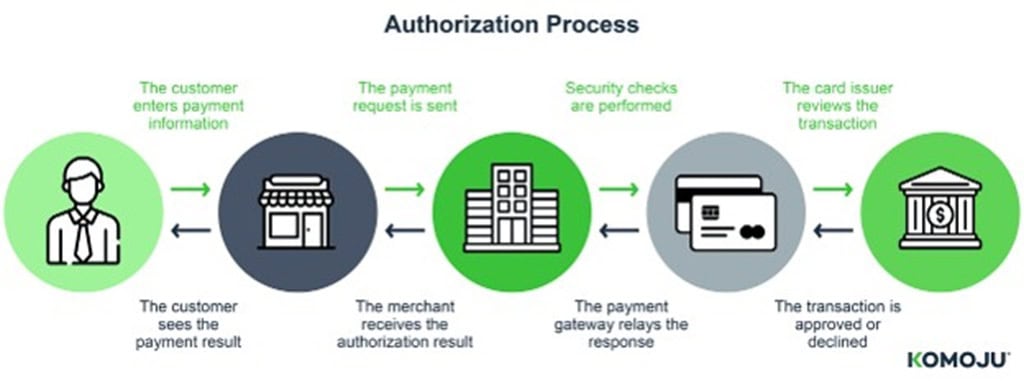
- The customer enters payment information: The customer submits their card details or selects a payment method during checkout.
- The payment request is sent: The merchant’s payment provider securely sends the transaction request for processing.
- Security checks are performed: Fraud screening and authentication may occur, including 3D Secure verification.
- The card issuer reviews the transaction: The customer’s bank checks available funds, card status, and transaction risk.
- The transaction is approved or declined: The issuer returns an approval or decline response through the payment network.
- The payment gateway relays the response: The result is passed back through the payment gateway to the merchant’s system.
- The merchant receives the authorization result: The merchant’s checkout system receives the final approval or decline.
- The customer sees the result: Approved payments complete the order, while declined payments usually require another payment attempt or payment method.
Why Do Payments Get Declined?
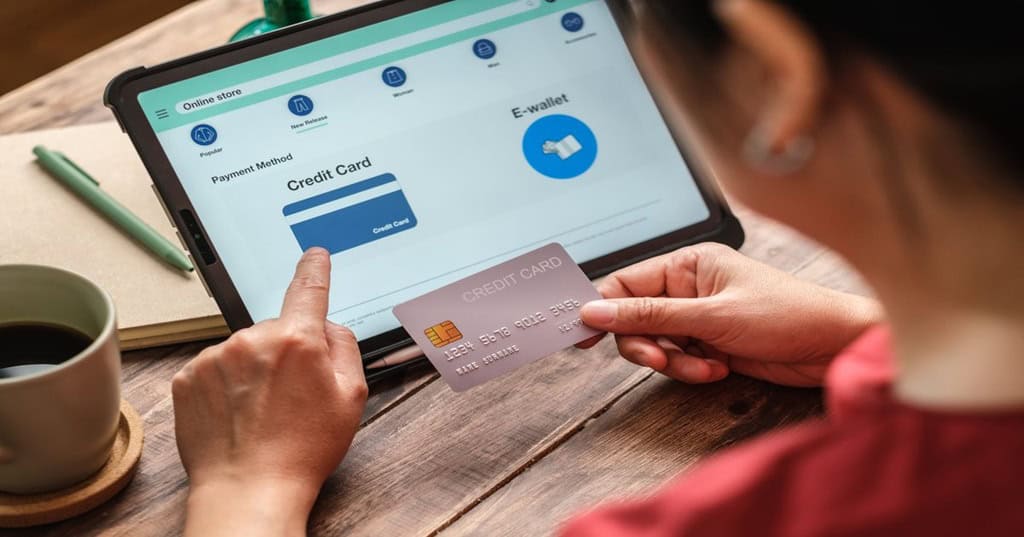
Payment declines can happen for many reasons during authorization. Some failures are caused by customer issues such as insufficient funds or incorrect card details, while others are triggered by fraud screening, issuer risk checks, or authentication failures.
Insufficient Funds
One of the most common reasons for payment declines is insufficient funds or unavailable credit.
This can happen when:
- a customer reaches their credit limit
- a debit account balance is too low
- recurring subscription payments process before funds are available
- temporary authorization holds reduce available balance
Recurring billing businesses are especially affected because payments may fail even when the customer previously completed successful transactions using the same card.
Merchants often reduce the impact of these declines through smart retry timing, flexible billing schedules and alternative payment methods.
Inaccurate or Outdated Card Information
Payments also fail when customers enter incorrect or outdated card information.
Common examples include:
- expired cards
- incorrect card numbers
- invalid security codes
- outdated billing addresses
- old saved card information
This is especially common with subscription and recurring payments, where customers may forget to update their stored payment details after receiving a replacement card.
Visa and Mastercard both offer account updater systems that automatically update saved card information, such as new card numbers and expiration dates. These systems help merchants reduce avoidable declines caused by outdated credentials.
Unsupported Payment Methods
Unsupported payment methods can also lead to failed transactions and abandoned checkouts.
Japan’s online payment market has become increasingly diversified in recent years. According to SB Payment Service’s 2025 EC payment survey, commonly used payment methods in Japan now include:
- credit cards
- PayPay
- Rakuten Pay
- convenience store payments (Konbini Pay)
- digital wallets
The same survey found that more than 56% of shoppers would leave an e-commerce site if their preferred payment method was unavailable.
This creates additional challenges for cross-border merchants and businesses using limited payment options. A checkout experience that works in one country may not match the payment preferences or expectations of Japanese consumers.
7 Ways to Optimize Your Authorization Rate
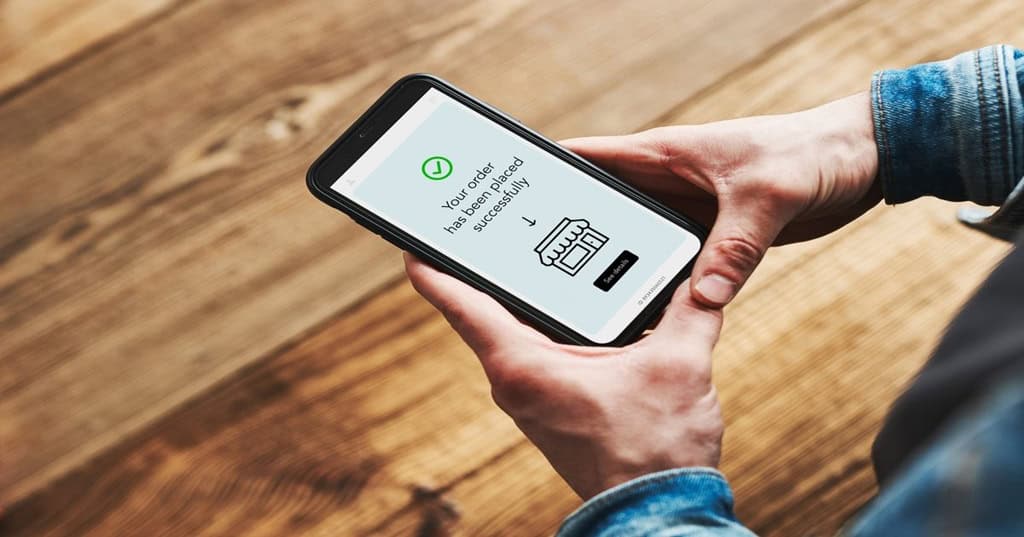
Improving authorization rates is less about “approving more payments” and more about eliminating avoidable checkout failures during checkout. In many cases, small changes to payment flow, billing data or fraud settings can recover revenue without increasing traffic or ad spend.
1. Add Digital Wallets to Your Payment Methods
Digital wallets reduce the amount of information customers need to enter manually during checkout. On smartphones especially, fewer form fields usually means fewer typing mistakes, fewer failed authentications, and fewer abandoned payments.
EMVCo notes that payment tokenization replaces the original card number with a secure payment token tied to a merchant, device, or transaction type. That helps improve both security and checkout usability.
Wallet placement also matters. If Apple Pay, Google Pay, or PayPay are buried below multiple checkout steps, customers may never use them. Many merchants now place wallet-based payment methods near the top of mobile checkout pages to shorten the checkout process.
2. Reduce Checkout Friction
Checkout friction often occurs during authentication rather than during product selection. Customers may reach the payment page successfully, then abandon the purchase due to OTP verification failures, browser redirects, or 3D Secure challenges.
EMV 3-D Secure allows issuers to evaluate transaction and device data before deciding whether additional authentication is necessary. Lower-risk payments may complete in the background, while higher-risk transactions may trigger a passcode or biometric check.
The biggest problems are usually operational:
- slow payment-page loading
- broken redirects during authentication
- difficult OTP input on smartphones
- too many checkout screens
If customers repeatedly drop during authentication, the issue may not be the card itself. It may be the checkout flow.
3. Match Payment Methods to Your Target Market
Payment preferences vary more by customer behavior than many merchants expect. A repeat-purchase cosmetics store, travel booking site, and digital subscription platform may all require different payment setups.
JCB’s 2025 cashless survey found that touch payment usage in Japan reached 47%, reflecting growing consumer familiarity with faster payment experiences.
That does not mean every merchant should add every available payment method. Instead, merchants should look at:
- device usage
- repeat purchase frequency
- average order value
- domestic vs cross-border traffic
Then build the checkout flow around actual customer behavior instead of a generic payment template.
4. Collect and Submit Complete Billing Information
Issuers evaluate more than the card number and transaction amount during authorization. Missing or inconsistent transaction data can make legitimate purchases appear riskier than they actually are.
Visa’s response-code documentation notes that CVV2 verification may fail if required information, such as the expiration date or security code, is missing from the authorization request.
Recurring billing setup is especially important here. The first subscription payment is usually treated as a customer-initiated transaction because the customer actively enters card details and approves the payment. Future renewals are generally classified as merchant-initiated transactions because the payment is processed automatically afterward.
If those transaction types are labeled incorrectly, issuers may apply unnecessary fraud screening or decline the payment entirely.
5. Keep Your Chargeback Rate Low
Chargebacks eventually become a payment-performance issue, not just a customer-support issue.
Repeated disputes tied to unclear billing descriptors, delayed refunds or recurring billing confusion can increase scrutiny from payment providers and card networks over time. Merchants with persistent chargeback problems may face stricter fraud controls or higher decline rates.
In practice, some of the best chargeback prevention methods are operational rather than technical:
- clear billing descriptors
- proactive renewal reminders
- faster refund handling
- accurate shipping updates
- easier customer support access
Small communication issues can easily become payment disputes if customers do not recognize a transaction or cannot resolve a problem quickly.
6. Implement Fraud Protection Carefully
Fraud protection should block suspicious activity without creating unnecessary false declines.
JCB’s merchant guidance explains that EMV 3-D Secure can evaluate device information, access region, and transaction behavior before authentication is completed. That helps issuers identify suspicious transactions more accurately.
Problems begin when fraud settings become too aggressive. Cross-border purchases, first-time buyers, and high-value transactions often trigger additional scrutiny even when the customer is legitimate.
Rather than focusing only on fraud reduction, merchants should monitor approval rate, challenge rate, and fraud rate together. A fraud rule that blocks more attacks but also rejects legitimate customers may ultimately lower revenue.
For more information, see KOMOJU’s guide to e-commerce fraud protection.
7. Use Network Tokens and Account Updater
Expired or replaced cards are a major source of avoidable declines for subscription businesses and saved-card checkout systems.
Services such as Visa Account Updater and Mastercard Automatic Billing Updater help merchants refresh stored card information after a card expires or is reissued.
That matters most for:
- subscriptions
- memberships
- recurring billing services
- repeat-purchase checkout flows
If saved-card authorization rates are significantly lower than one-time payments, outdated credentials may be part of the problem.
How KOMOJU Supports Authorization Rate Optimization
Many of the authorization issues discussed earlier in this article come from payment friction, unsupported payment methods, or overly aggressive fraud controls. In practice, merchants often end up managing those problems across multiple systems at once.
KOMOJU is designed to simplify that process by combining fraud protection, local payment support, and cross-border payment tools into a single platform.
Built-In Fraud Protection System
Fraud prevention is necessary, but stricter security settings do not automatically lead to better payment performance. If fraud rules become too aggressive, legitimate customers may be blocked during checkout.
KOMOJU includes a free AI-powered fraud detection system that helps merchants identify suspicious transactions while reducing unnecessary payment friction. This is especially useful for businesses handling:
- cross-border transactions
- high-value purchases
- first-time customers
- recurring billing
Instead of relying solely on blanket transaction blocking or manual review, merchants can balance fraud prevention with higher approval rates for smoother checkouts.
This becomes increasingly important as Japan’s credit card security standards continue to evolve toward stronger authentication and fraud-prevention requirements.
For more information, see KOMOJU’s guide to Japan’s credit card security guidelines.
Wide Range of Local and Global Payment Methods
One of the easiest ways to lose customers during checkout is to offer payment methods they do not recognize or trust.
As discussed earlier, payment preferences vary significantly by region, device type, and customer behavior. Japanese customers may expect payment methods such as PayPay, convenience store payments, or bank transfers, while international customers may rely more heavily on global card networks.
KOMOJU supports a wide range of Japanese and international payment methods through a single integration, enabling merchants to localize checkout without managing multiple providers.
That flexibility is particularly useful for:
- Japanese businesses expanding overseas
- overseas merchants entering the Japanese market
- cross-border e-commerce stores
- businesses selling to customers across multiple regions
Instead of rebuilding the payment flow for each country, merchants can adapt payment methods to meet customer expectations while managing payments through a single platform.
You can view KOMOJU’s supported payment methods here:
Summary | Improve Revenue by Optimizing Your Authorization Rate
Authorization rate has a direct impact on both revenue and customer experience. Even small improvements can help recover failed payments, reduce checkout abandonment, and create a smoother payment process for legitimate customers.
Key takeaways from this guide:
- Failed payments can quietly reduce revenue
- Local payment methods improve customer trust
- Clean billing data helps reduce issuer declines
- Poor fraud settings can create false declines
- Tokenization helps reduce recurring payment failures
- Better authorization rates improve customer experience
For merchants selling in Japan or expanding globally, optimizing payment performance is not only a technical issue. It is also part of creating a faster, more reliable checkout experience that customers are more likely to complete.
KOMOJU helps merchants support local and global payment methods, reduce payment friction, and manage cross-border payments through a single platform.
FAQ
What is Authorization Rate?
Authorization rate is the percentage of payment attempts that are successfully approved by the card issuer during checkout.
How Do You Calculate Authorization Rate?
Authorization rate is calculated using the following formula:
Approved Transactions ÷ Total Payment Attempts × 100
For example, if 950 out of 1,000 payment attempts are approved, the authorization rate is 95%.
How Do You Improve Authorization Rate?
Common ways to improve authorization rates include reducing checkout friction, supporting local payment methods, improving billing data accuracy, optimizing recurring billing setup, and regularly reviewing fraud settings.
What Is the Meaning of Authorization Adjustment?
An authorization adjustment happens when the authorized transaction amount changes after the initial approval.
For example, hotels, subscriptions, or variable-price transactions may require the final charge amount to be updated before settlement.
We help businesses accept payments online.