
We help businesses accept payments online.
December is one of the busiest and most festive seasons globally, and Japan is no exception. While Christmas is not a national holiday and only a small percentage of the population identifies as Christian, the season has still become widely celebrated across the country.
Interestingly, while Christmas is the main family event of the season in many countries, this dynamic is reversed in Japan. The traditional family-focused holiday is New Year’s (Oshōgatsu), a time when businesses close, and people return to their hometowns.
Christmas in Japan blends Western influences and uniquely local customs. Less family-focused, the emphasis is on romance, gift-giving, and seasonal experiences. These behaviors have a direct influence on holiday eCommerce trends. They increase demand for seasonal packaging and fast delivery. They also make convenient checkout options more important, especially for first-time online shoppers.
Global eCommerce merchants need to understand Japan’s local customs and purchasing patterns for effective holiday eCommerce marketing strategies. These insights help brands align their offerings to consumer expectations. It also helps them capture important sales opportunities throughout December.
To fully understand the market, it is important to first look at how Christmas is actually celebrated in Japan.
How Japan Celebrates Christmas

A Brief Historical Background
Christmas first entered Japan in the 16th century, along with the introduction of Christianity. Today, only about 1% of the population identifies as Christian, and it is not a national holiday. Yet the season is still observed as a mostly secular fusion of Western customs and Japanese cultural preferences.
Illuminations and Seasonal Displays
The season typically begins in December (sometimes as early as late November) when city streets light up with illuminations and department stores unveil their holiday displays. European-style Christmas markets have also grown in popularity, drawing large crowds and adding to the festivities.
These experiences build anticipation and encourage earlier holiday browsing and gift planning. Many brands with brick-and-mortar stores also match their in-store decorations with online promotions, creating a cohesive seasonal experience across channels.
Romance Over Family
Partly influenced by Hollywood romantic films, Christmas Eve functions almost like a second Valentine’s Day. It’s a “date night”, with couples booking dinners, strolling through illumination events, and exchanging gifts. This romantic focus drives a strong demand for jewelry, accessories, fragrances, and coordinated “couple gifts”. Japanese people also often spend a large part of their holiday budget on their spouse or partner, aiming to give a special or memorable Christmas Eve gift.
KFC and Christmas Cake
Another well-known Christmas tradition is ordering and strawberry shortcake (kurisumasu keeki). Due to high demand, both have to be reserved well in advance, which encourages early seasonal purchasing. This tradition has strengthened the demand for limited-edition holiday menus, packaging, and seasonal products.
Gift Exchanges
Gift exchanges among friends, co-workers, and families are also common throughout December. These multiple gifting occasions create repeated purchase opportunities. It also increases demand for affordable, small-to-medium priced gift items that are easy to buy, ship, and share.
Santa Gifts for Children
It is common for parents to prepare gifts so that children can receive presents from “Santa” on Christmas morning. This adds another gifting moment to the season, driving early online orders, especially for toys, character goods, and children’s accessories.
Implications on Holiday eCommerce Shopping
These cultural traditions shape how shoppers browse, choose, and buy gifts in December. Understanding holiday consumer behaviour and shopping trends in Japan helps eCommerce teams anticipate demand and prepare effectively for the season.
Key Christmas eCommerce Features
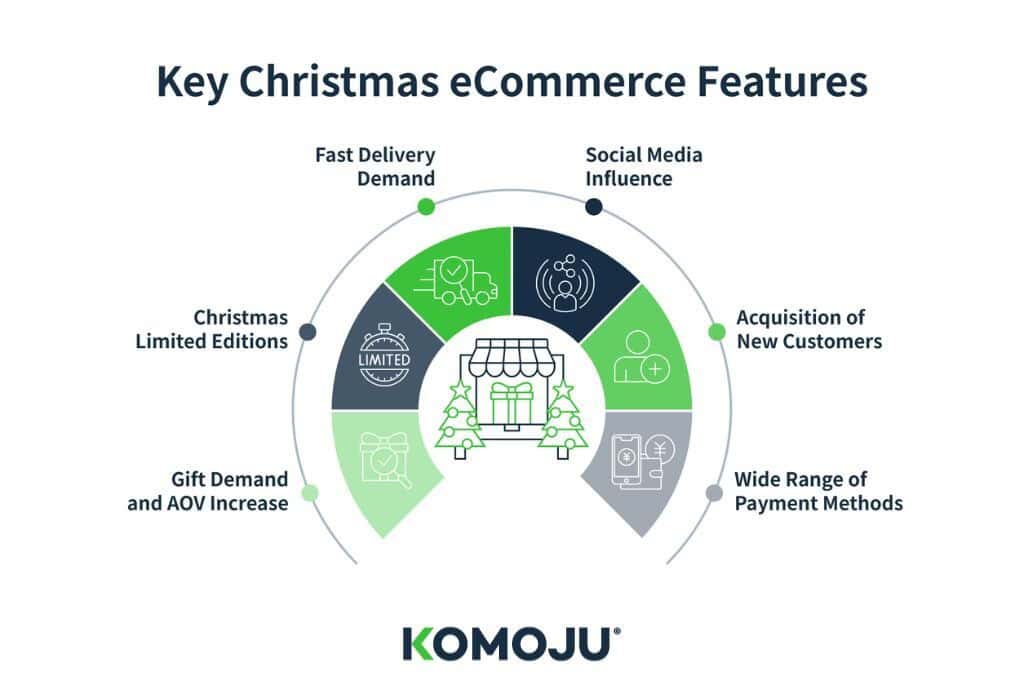
Gift Demand and AOV Increase
The rush of the Christmas season creates high demand for “complete gifts”, bundles that feel ready to give. These include fragrance sets, pre-wrapped sweets, tea boxes, and couple-oriented bundles. Because these sets save time and are perceived as offering higher value, customers tend to spend more, increasing the Average Order Value (AOV). Key patterns include:
- Bundles outperform single items: they feel more substantial and simplify gifting.
- Higher AOV from curated sets: couple-sets and themed bundles encourage larger spend, and they typically surge in popularity during December holiday shopping.
- Discounted bundles have higher conversions: the perception of higher value leads to larger basket sizes.
Christmas Limited Editions
Japanese shoppers are influenced by exclusivity (gentei), making Christmas a peak season for limited-edition releases. Seasonal packaging, holiday-only scents, and short-run gifts create urgency and drive faster purchasing. Key patterns include:
- Seasonal exclusives drive demand: limited bundles, scents, colors, and designs perform strongly.
- Scarcity accelerates purchasing: FOMO (Fear of Missing Out) pushes earlier decisions.
- Holiday packaging increases perceived value: items feel more premium and gift-ready.
- Limited sets outperform regular SKUs during December.
Fast Delivery Demand
Unlike Western markets, where shopping begins in November, many Japanese consumers wait until mid to late December. This shortened shopping window drives demand for fast, reliable delivery. Key patterns include:
- A surge in late-season shopping between December 15–24.
- Demand for same-day / next-day shipping boosts conversions, especially in the final 10–15 days.
- Clear delivery information reduces cart abandonment.
- Shoppers prioritize stores with fast and reliable shipping.
Social Media Influence
Social media plays a major role in Christmas shopping. Younger and first-time buyers especially rely on Instagram, TikTok, and YouTube to discover gifts and make decisions. Key patterns include:
- Influencers drive discovery: holiday posts, unboxings, and gifting videos drive conversions.
- UGC (User Generated Content) builds trust: wrapping videos, hauls, and reviews strongly influence purchases.
- Social-to-checkout behavior is rising: shoppers expect to move directly from a post to checkout.
- KOMOJU Payment Links enable one-tap checkout from social platforms
Acquisition of New Customers
Christmas brings a surge of first-time online shoppers seeking gifts, exclusivity, and fast delivery. Key patterns include:
- Higher volume of first-time buyers: many shop online only during Christmas
- Strong potential for long-term retention: these customers arrive with clear intent.
- Follow-up is important: Thank-you emails, New Year’s offers, and recommendations improve LTV(Customer Lifetime Value).
Christmas isn’t only a peak sales period; it’s a prime time to win and retain new customers.
Wide Range of Payment Methods
Offering different payment methods builds trust instantly. It is important to accommodate Japan’s unique and diverse payment culture. Key patterns include:
- Reduced cart abandonment during a high-pressure season: Christmas shoppers are less patient and more risk-averse due to time constraints. If a customer doesn’t see their preferred payment method, they are more likely to switch to a competitor.
- Christmas attracts new and infrequent customers: people shop outside their usual retailers and occasional online shoppers are more active. These customers are more sensitive to security.
- Brand credibility increases with payment choice: for Japanese consumers, various well-known payment methods signal legitimacy and trust.
Christmas eCommerce Marketing Tips
After understanding the Japanese holiday shopping behavior, the next step is to translate these insights into actionable strategies that capture demand and increase sales.
Create Christmas Campaigns
Holiday campaigns perform well in Japan, and with some thoughtful planning, they can set the tone for December. Start early to:
- Launch previews that guide shoppers before the Christmas rush.
- Build anticipation with countdowns, gift guides, and “coming soon” posts.
- Use limited-time promotions to create urgency.
Design a Seasonal Christmas UI/UX
A seasonal UI/UX makes shopping faster and more enjoyable during Japan’s busy December season.
- Add a “Christmas Gifts” section to improve discovery.
- Use seasonal visuals such as holiday colors and icons.
- Highlight delivery deadlines and gift options clearly.
- Reduce cart abandonment: use exit pop-ups, reminder emails, gift-wrap incentives, and local payment options to recover hesitant shoppers.
Make Mobile Buying Easy
In Japan, many holiday shoppers rely entirely on their smartphones.
- Design emails, ads, and checkout with a mobile-first approach. Reduce checkout steps to speed up conversions.
- Offer mobile-friendly payment options like PayPay and Rakuten Pay.
Suggest Gifts
Holiday shoppers, especially first-time or last-minute buyers, want easy gift guidance.
- Create curated gift guides (For Him, For Her, For Kids, Under ¥5,000, etc.).
- Recommend bundles and ready-to-give sets.
- Personalize recommendations using browsing history, past purchases, and trending items.
- Promote discounted gift sets for value-conscious shoppers. These sets appeal to shoppers looking for value and convenience.
Promote on Social Media
Social Media should move shoppers quickly from inspiration to checkout.
- Showcase bundles and limited editions styled as ready-to-give gifts.
- Use short videos for unboxing and demos.
- Enable one-tap checkout from posts with KOMOJU Payment Links
- Use creators and UGC to build trust and drive discovery.
Become a Gifting Partner
Make gift-giving effortless so customers can rely on you as their go-to gifting partner.
- Offer gift-wrapping.
- Allow shoppers to add personalized messages.
- Remove price tags/slips for gifts.
- Provide a one-click: a “Make this a gift” option (includes all services).
Send Christmas Cards by Email
Email remains a simple but effective way to re-engage Christmas shoppers.
- Send holiday thank-you emails with early access offers.
- Begin campaigns 10–15 days before Christmas to match Japan’s peak shopping window.
Important Holiday Dates for eCommerce Around Christmas
Japan’s holiday shopping window now stretches from November through early January. Black Friday prompts shoppers to start browsing earlier. Japan’s Bonus Season in early December drives higher spending, and New Year promotions like fukubukuro (lucky bags) extend demand into January.
Planning for one month before and after Christmas helps merchants time campaigns, align inventory, and capture these sales peaks.
Below are key holiday dates and why they matter for eCommerce.
Holiday / Period | When | What It Is (Simple Description) |
Black Friday / Cyber Monday | Last Fri and the following Mon of November | U.S.-inspired shopping events that feature large online and in-store discounts. |
Labor Thanksgiving Day (勤労感謝の日) | November 23 | National holiday honoring workers. Families often go out, increasing foot traffic and shopping activity. |
Shichi-Go-San | Nov 15 | Celebrations for children aged 3, 5, and 7, families visit shrines and take photos. Often purchase gifts and accessories. |
Bonus Season | Early–Mid December | Companies distribute winter bonuses, significantly boosting consumer spending power. |
Year-End Sale (歳末セール) | Mid–Late December | Major retail discount period before New Year, strong demand from gift shoppers and bargain hunters. |
Christmas / Christmas Eve | December 24–25 | A romantic and gift-focused holiday in Japan, popular for dining out and exchanging presents. |
New Year Sale / First Sale (初売り・福袋) | January 1–Mid January | One of the biggest shopping events of the year, featuring fuubukuro “lucky bags” and major discounts. |
Coming-of-Age Day (成人の日) | Second Monday of January | National holiday celebrates young adults turning 20, tied to fashion and photo ceremonies. |
Lunar New Year | Late January / February (date varies yearly) | Not a Japanese holiday, but the Lunar New Year increases Chinese tourists and higher spending, especially in major cities. |
Multiple Payment Methods Boost eCommerce Growth in Japan
Japanese consumers expect frictionless checkout. This is especially important during Christmas, when most purchases happen on mobile and many purchases are fast or last-minute.
Offering multiple payment methods, particularly local digital wallets, is one of the most effective ways to lift conversions. Digital wallets are now Japan’s second most-used payment method after credit cards, and adoption is highest among younger shoppers.
Services like PayPay, au PAY, Rakuten Pay, and Merpay also run seasonal point-back campaigns in December, helping merchants capture customers seeking those benefits.
Why multiple payment options matter:
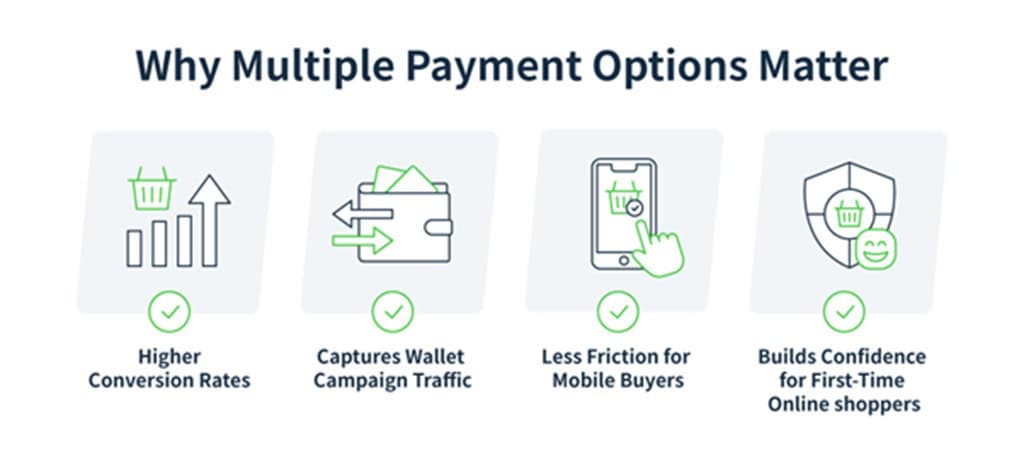
- Higher conversion rates; customers are more likely to complete purchases when familiar options are available.
- Captures wallet campaign traffic: users shop strategically to earn or redeem points.
- Less friction for mobile buyers. One-tap wallet checkout is ideal during peak season.
- Builds confidence for first-time online shoppers: options like wallets and convenience-store (konbini) payments provide a sense of security and familiarity.
Offering locally preferred payment methods directly improves the checkout experience and increases the likelihood of purchase.
Convenience Store Payments in Japan
Convenience store (konbini) payments play a crucial role in eCommerce in Japan, especially when online shopping peaks at Christmas. Options such as 7-Eleven, FamilyMart, and Lawson provide customers with a trusted and familiar way to complete purchases.
- Payment slip / Pay with cash: convenience store payments are a safe option for cash-preferring customers and shoppers without credit cards.
- Flexible, 24/7 payment: many convenience stores are open 24/7, allowing customers to pay for last-minute gifts at any time.
- Widely accessible locations: with over 55,000 convenience stores across Japan, customers can easily find a nearby payment point while traveling for the holidays.
Exclusive Campaigns and Deals for Digital Wallet Users in Japan
Digital wallets like PayPay, au PAY, and Rakuten Pay run frequent point-back campaigns, many of which peak during the holiday season. Because shoppers actively try to maximize points in December, these campaigns have a direct impact on conversions.
Supporting these wallets through KOMOJU lets merchants tap into this demand and attract buyers who prefer stores participating in wallet promotions.
PayPay’s Special Deals
PayPay is one of the most widely used wallets in Japan. It frequently offers point-back campaigns that incentivize spending during December.
au PAY’s Special Deals
au PAY regularly runs seasonal promotions, including point multipliers and cashback opportunities. These campaigns can significantly influence purchase decisions during the holiday period.
Rakuten Pay’s Special Deals
Rakuten Pay frequently provides point rewards tied to the broader Rakuten ecosystem. While not always Christmas-specific, these promotions drive strong engagement among users who want to accumulate Rakuten Points during seasonal shopping.
Point-back and cashback promotions encourage shoppers to choose payment methods that deliver the highest value. Stores that support these wallets can attract more customers—especially during the holiday season when shoppers are highly motivated by savings and rewards.
Summary | Shape Your Christmas eCommerce Strategy with Cultural Insights from Japan
Holiday shopping in Japan follows unique cultural patterns that shape how customers browse, choose, and pay for gifts online.
Success comes from understanding and aligning with these behaviors. This includes offering mobile-first, convenient, and trusted shopping experiences that remove friction at every step. With thoughtful planning and adaptation, brands can turn December into one of their most profitable sales periods.
KOMOJU makes this easier with localized payment options and seamless checkout tools built specifically for Japan’s eCommerce environment. KOMOJU removes barriers, boosts conversions, and gives customers the payment experience they expect.
We help businesses accept payments online.